How I help
I help by bringing an engineering mindset to the social relationships that arise from your conference.
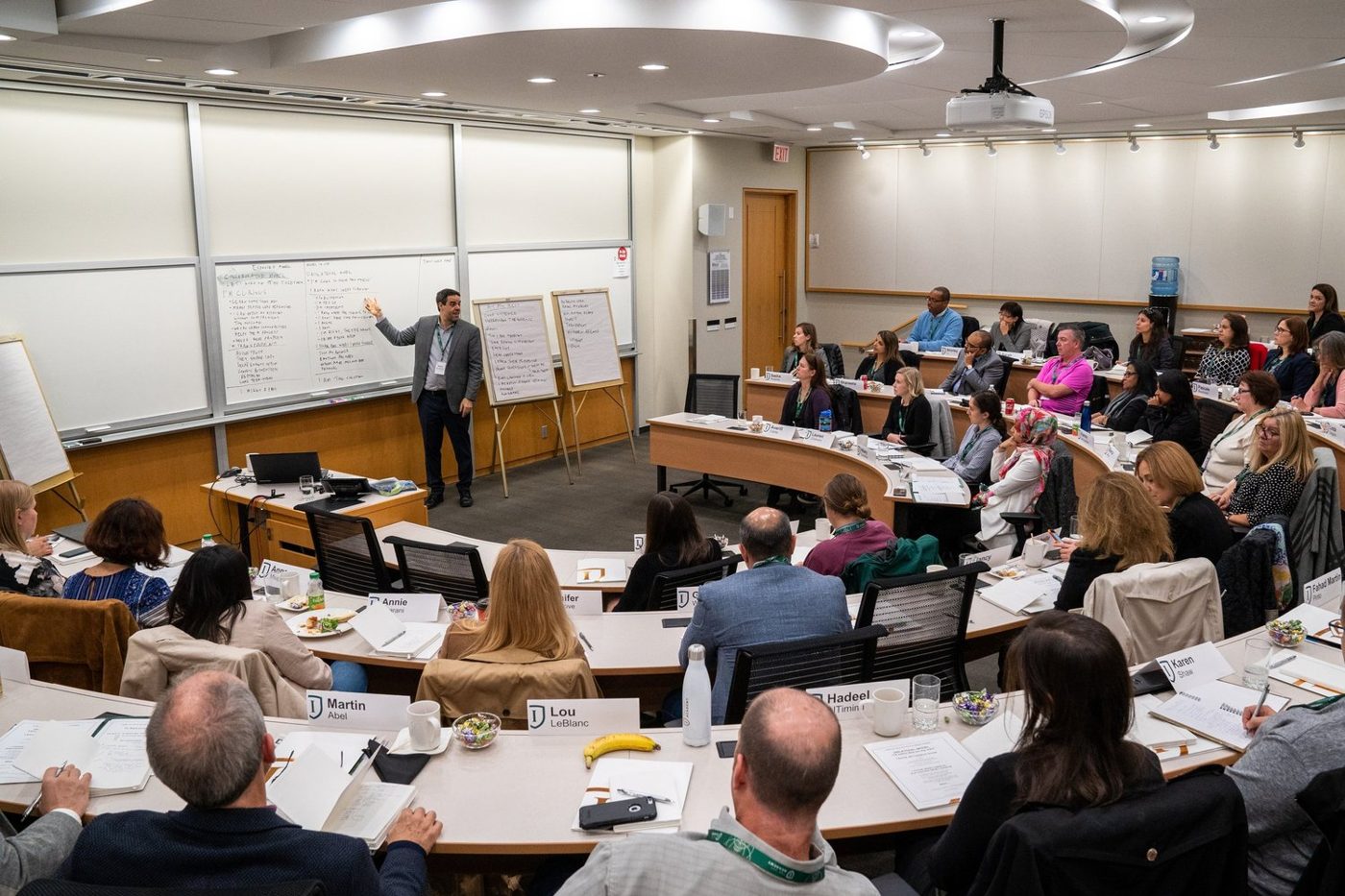
What I do, and what I don’t
I work with you from the very first moment of your planning all the way up to the last minute of the event.
I’m not a meeting planner. A meeting planner’s job is to make sure that nothing goes wrong. It’s cool for nothing to go wrong, but that’s not the same as making sure that anything good actually happens.
The meals are fine, and everything runs on time, and all the registration works, but you deliver something that doesn’t actually matter.
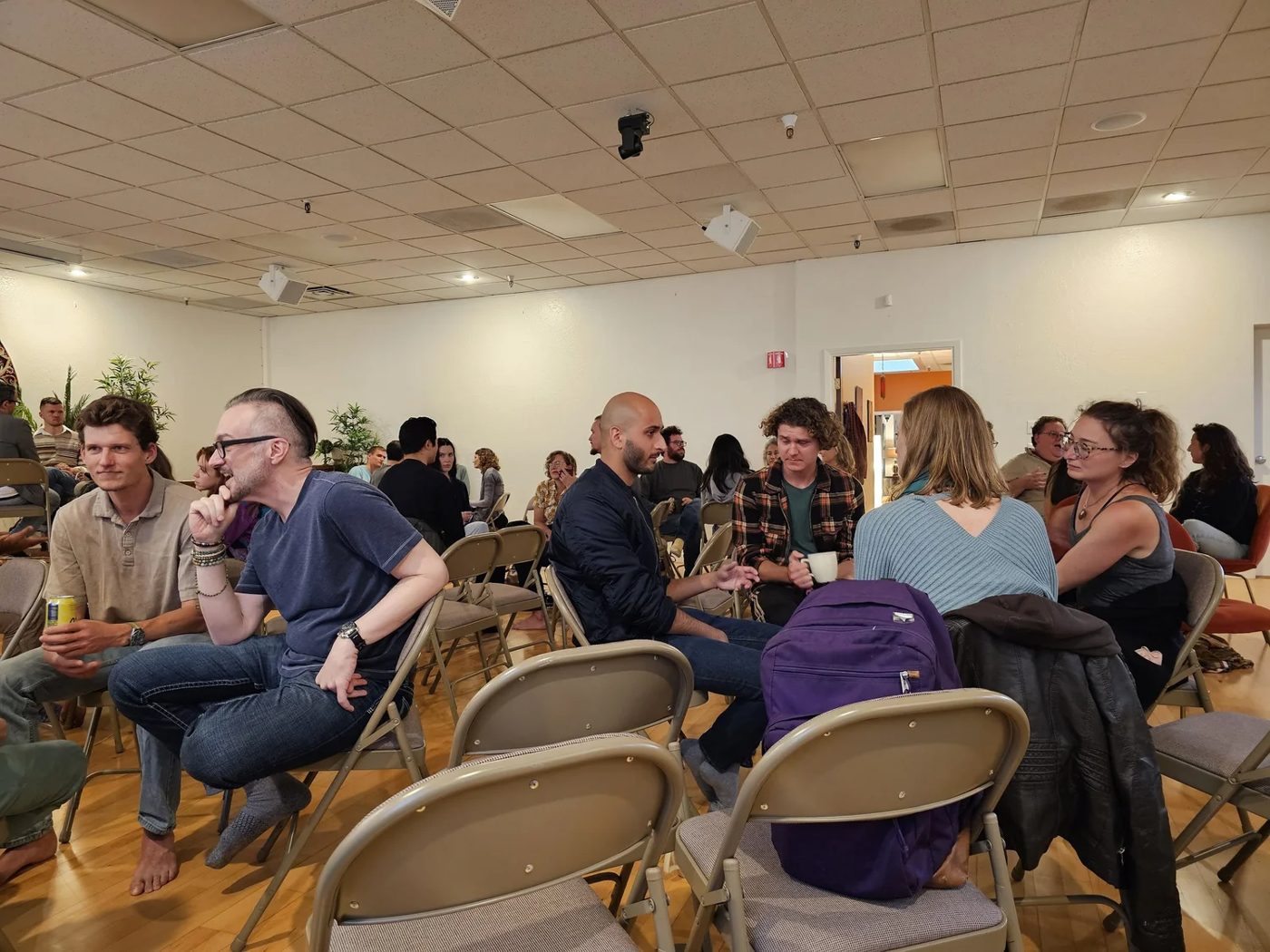
I advise people through the process and I help them make good choices: what kinds of people do we need to invite? How do we write the invitation? How do we want to structure the day? What’s the timeframe? What’s a good venue? How do we resolve the differences between our teams? Very high strategic stuff and right down to the smallest details.
I advise on how to get the strategic outcomes you want.
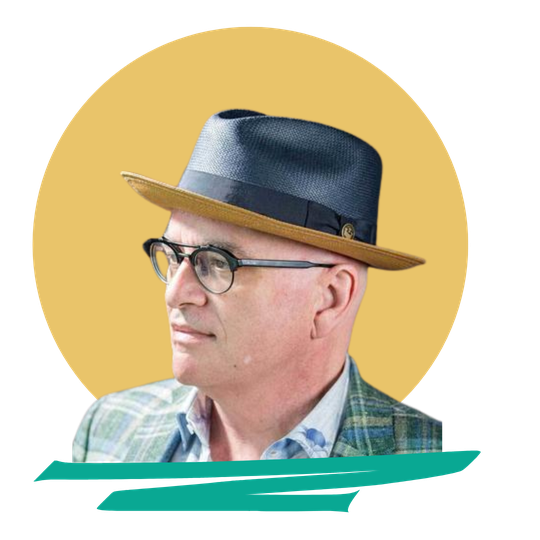
“I run an intellectual talent agency representing people like Steven Pinker, Margaret Atwood and Salman Rushdie. I go to hundreds of events, have been going to TED for over 25 years. Misha has an uncanny ability to elevate a conference. He gets involved in the planning, the organization, the networking, and is the best host I’ve ever seen. He gets people connecting with each other in ways they haven’t anticipated, and people leave feeling that “this is the best conference I’ve been to.””
A step-by-step process
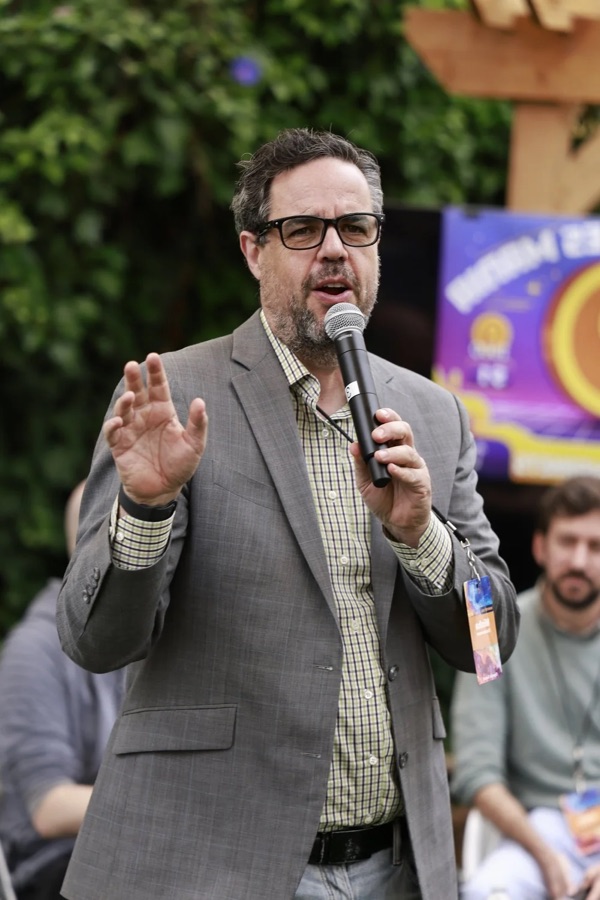
The main way I work with clients is longer engagements, over the course of anywhere from two to twelve months. I help them with planning, and sometimes I show up on site.
I have a step-by-step process in which I help clients plan, set their goals, and course correct. Typically the first step is really being super clear about what the goals are and what the metrics are. And then I would be an incredible pain in the ass about reminding you about them all the time in every single meeting that we have.
The earlier folks bring me in, the more help I can be.
There is often a million dollar or bigger problem behind a conference: building a field, making an organization less siloed, getting a leadership team to work together. I help clients solve that problem.
Underused first step for conferences: Know what you want to accomplish.
Clients often begin our first call by asking me: How long should our conference be? What speakers should we book? How much should we charge? These are all “how” questions. People try to answer them before answering the more important question: why are you running this conference?
Setting goals can be harder than it sounds: it can mean saying no to some things. It often means surfacing disagreements between stakeholders about what the conference is actually for. This stuff is uncomfortable. I can help.
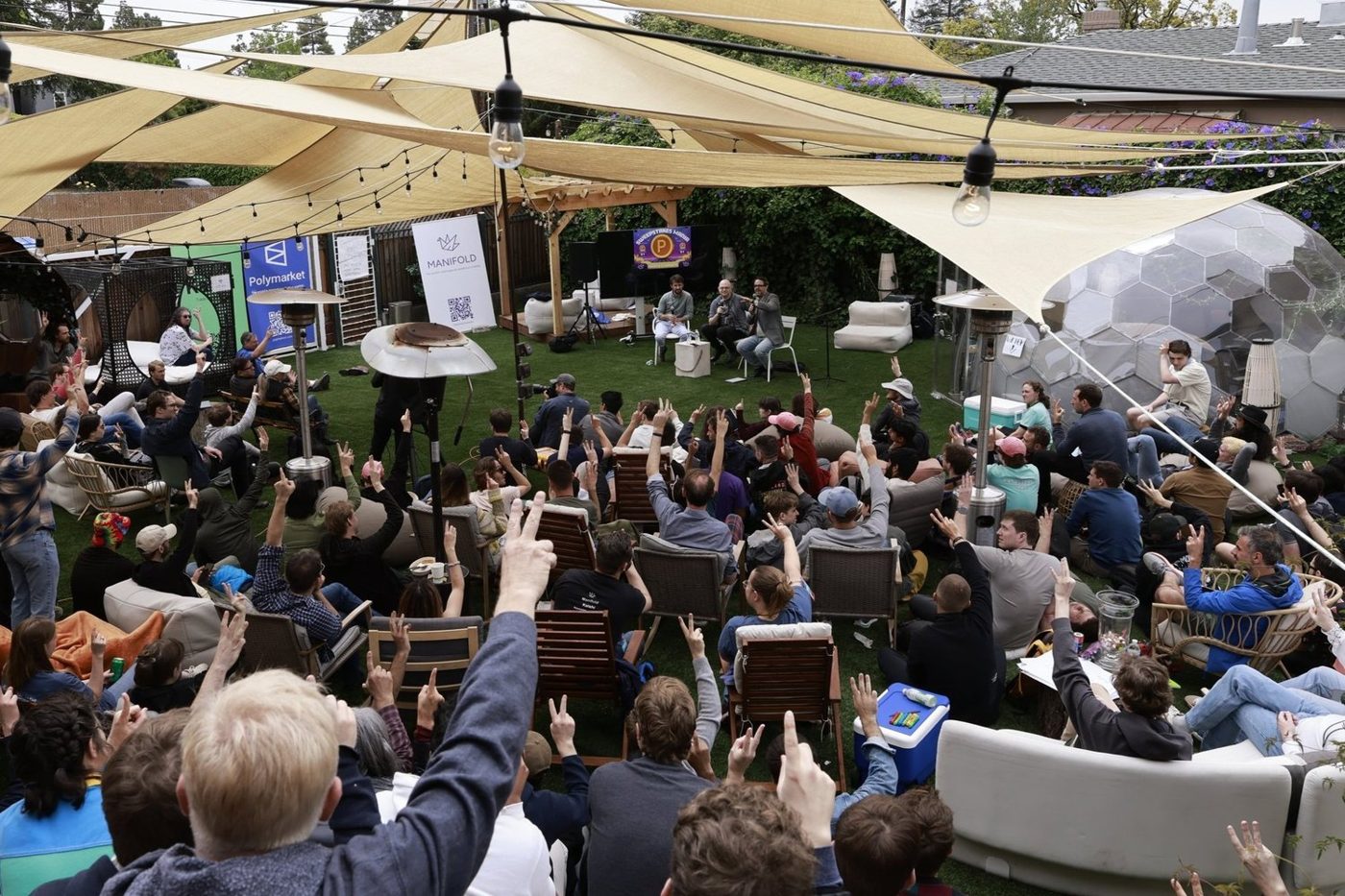
“I ran a conference in Berkeley that brought together people working on AI in tech, academia, government, and elsewhere. Our goal was to build understanding between various groups that see things very differently and don’t always get along well. Misha brought great insight into how to structure the event to actually achieve our goals, and facilitated fantastic sessions and conversations day-of. I cannot overstate Misha’s ability to engage an audience. If you want to help people really connect, I highly recommend getting Misha to help.”
Knowing your goals is not enough: you need to know their goals, too.
One of the top mistakes I see conference organizers make is they fail to recognize the differences between their attendees’ goals and their own.
This is how communities actually form: not by forcing people into your cause, but by gathering people whose own goals naturally overlap and letting the shared purpose emerge.
Most conferences spend weeks choosing their speakers, and no time choosing their attendees.
If the point of your conference is to get people together, the most important variable is who those people are. But most organizers just open up ticket sales and hope for the best. They spend more time thinking about what appetizers to serve than about who will be there.
The attendees are the conference.
Community is not built in a day.
A conference lasts a day or two. The goals of most conferences are bigger than that.
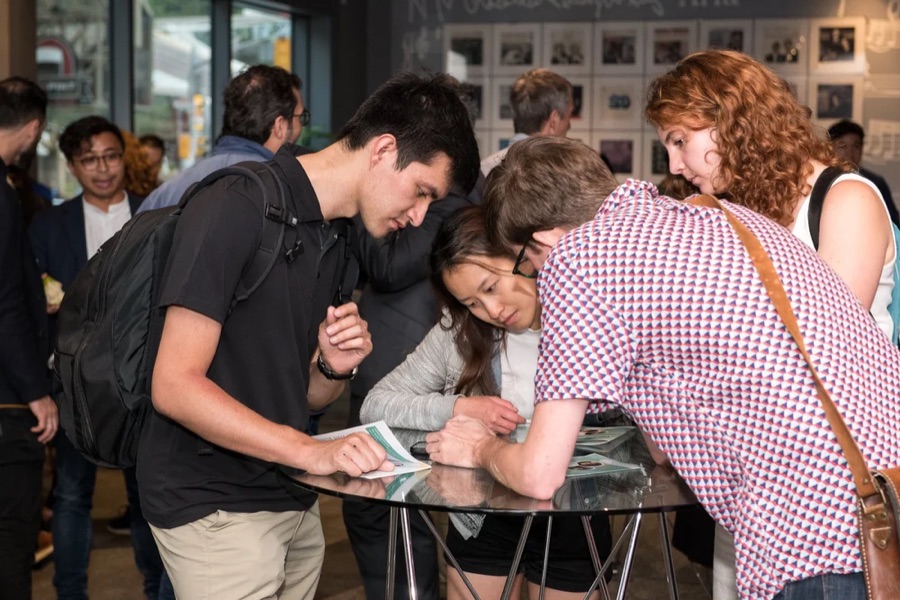
For many clients, I help them with follow-up. If they’re trying to build a community, we work on that: making it easy for people to exchange contact information, keeping working groups going after the conference, and running shorter, more frequent online events to keep the community alive between in-person gatherings.
Planning an offsite or leadership retreat?
Some events are about getting work done, about bringing a group together to make strategic decisions, solve a problem, or build something new.
For these events, you need clarity and alignment on goals, a well-designed work process, and mechanisms to ensure follow-up on decisions. If you don’t have these things, the result is wasted time and frustration.
I’ve seen all the very human obstacles to effective communication that typically block progress. I can bring the emotional intelligence you need to ensure that the real issues get talked about and that people can hear each other.
“Misha worked with me and our CEO to help make our annual all-staff retreat great. We are a fast-growing biotech company doing cutting-edge work and Misha helped us build a meaningful space to focus on culture. He advised us on setting up retreat goals, and helped us build internal capacity to facilitate meetings ourselves. As a first time facilitator for a group of this size, Misha provided me tools and guidance to feel prepared. The end result was without a doubt our best retreat to date.”
Do you have an event you need help with? I’d love to talk!
You don’t need perfect clarity about your goals to begin. These calls are often fun and interesting for both of us, even if we don’t end up working together.