Four principles of conference design
Most of my advice on running conferences boils down to four principles. They are:
Have goals
Do things that support your goals
Don’t do things that undermine your goals
Periodically ask “what would I do if I thought my participants were competent adults?”
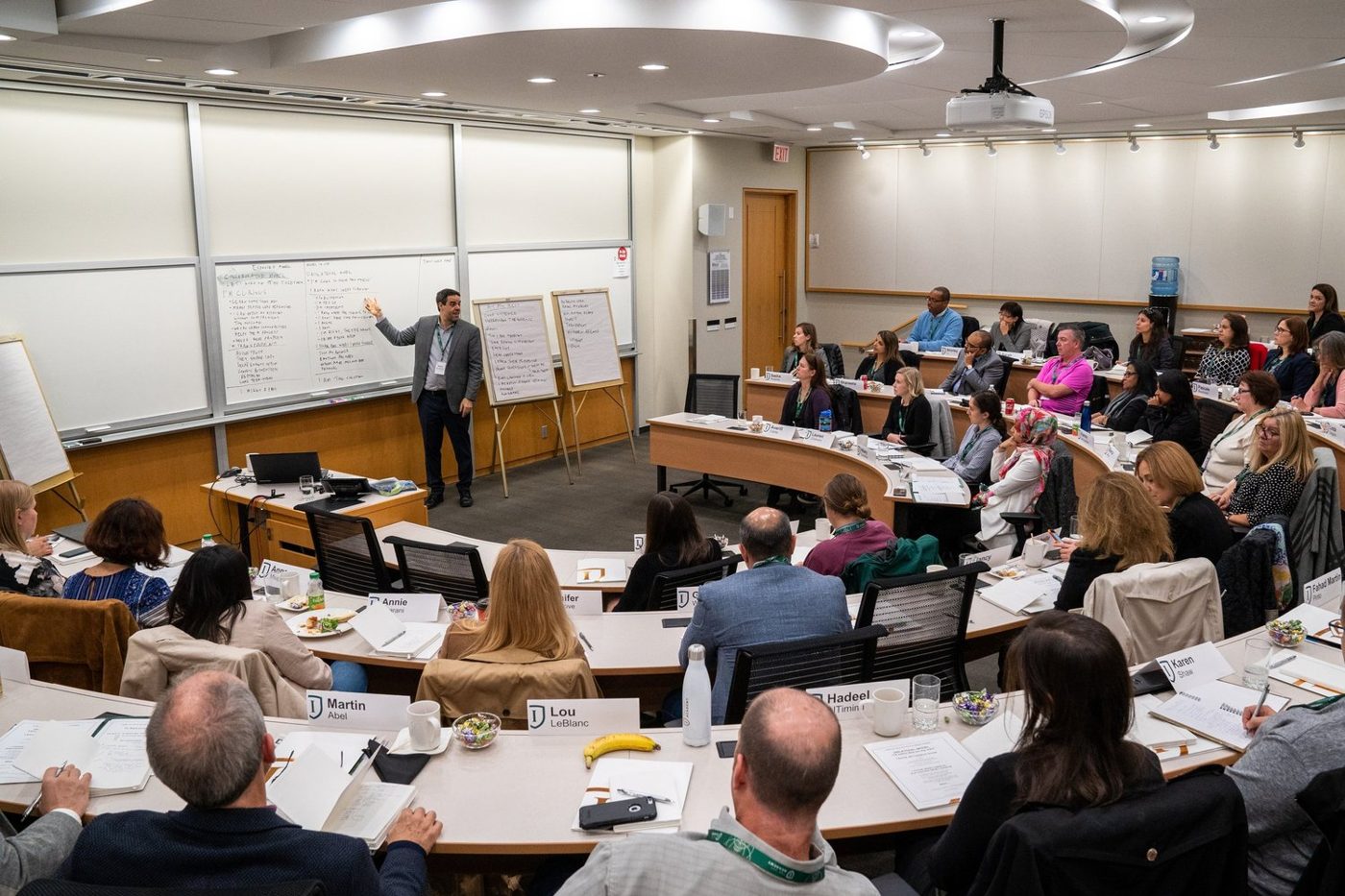
Have goals.
It’s very hard to succeed in anything if you don’t know what success is. You should be able to express why your conference is taking place: Why are you doing it? What should be different in the world the day after it is over?
You should be able to express that from your own perspective (why are you doing it) and also from the perspective of an attendee (why are they coming). These are often different. An amazing number of conference organizers aren’t able to express this.
A dispiritingly common reason I hear is: “It’s called our Annual Conference, and it’s been almost a year since the last time we did it.” This is not a solid scaffold for good decision-making.
If you can name the main goals of your conference, that will get you a huge part of the way to being able to succeed.
Here are some reasons clients of mine have wanted to have a conference:
- Help advance a cause or movement by helping people find collaborators
- Help your company or cause become less siloed
- Strengthen your industry’s ecosystem
- Increase your organization’s place in its ecosystem
- Help individuals in your field advance their work or careers
Here are some reasons attendees name for coming to conferences I’ve been involved with:
- Find clients
- Find investors
- Find partners/collaborators
- Be surrounded by people who share your greatest interests and have great conversations
- Find a job
- Find people to hire
“Misha is one of the smartest people I have ever talked to about event design. He helped Roots of Progress run Zoom gatherings that don’t suck, and he helped create more in-person connections at our Progress Conference. We’re glad to be working with him.”


Do things that support your goals.
At most conferences, many of the goals center on helping people meet and form useful relationships. Some things you might do to support goals:
- Have a good conference app that lets people find the people they need to meet
- Have lots of unstructured time so people can mingle
- Have good structured conversations, roundtables, and workshops that make it easy for people to find the people they need to meet
- Have a board where people can post asks and offers, to increase the chance that people can find others to collaborate with
- Have open roundtables where people can name any topic, and find others interested in that topic
Most conferences spend weeks choosing their speakers, and no time choosing their attendees. The attendees are the conference. Failing to think about who the attendees are is like throwing a party but not giving any thought to who the guests are.
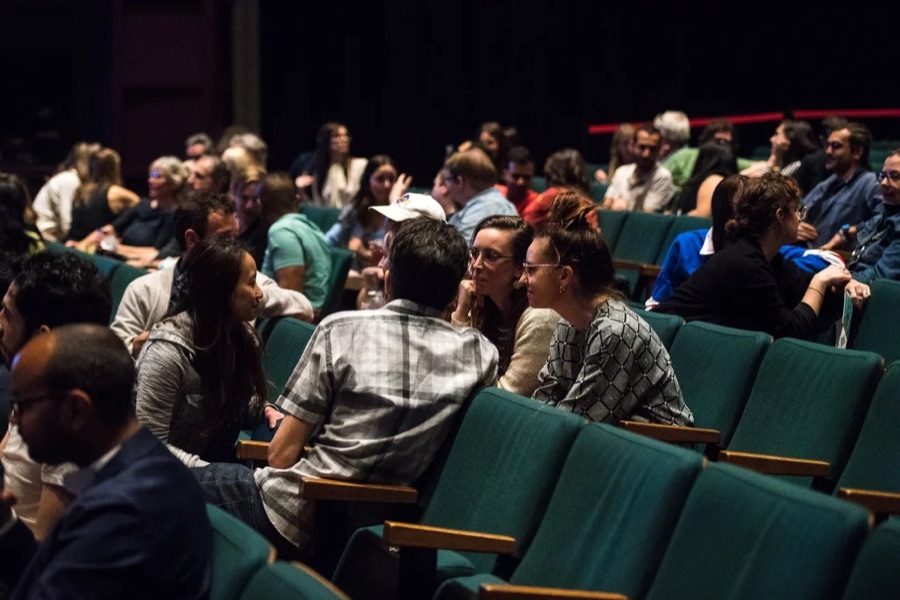
Don’t do things that undermine your goals.
Many conferences don’t just fail to support their goals, they actually take steps that undermine their goals.
The example I use more than any other: Most conferences have, as their central goal, some variation of “help people meet each other”. The main activity at the conference is then a big lecture with everyone in one room. The central activity actually prevents the main goal of the conference.
You have a conference where you want investors and founders to meet each other. And then what you do is you have one lunch for investors and one lunch for founders.
Lots of the things conferences do are worse than doing nothing. Here are a few examples of things I have seen conferences do that get in the way of the goals:
- Have a long fancy lunch where you have to sit next to two random people who you cannot move away from
- Have speeches or awards during lunch, so people can’t talk during lunch
- Have staff members in the hallway to corral people into sessions if they are lingering and talking in the halls
- Stop coffee/snack service when sessions are running, so that if you want a snack you have to leave the conference
- Have an extensive list of speakers but no way for attendees to share contact information
Remember that the breaks are not time away from the conference, they are part of the experience. They matter.
Periodically ask “what would I do if I thought my participants were competent adults?”
They are adults. They know what they want and need. If you let them, they can make the event more successful.
Some things that are true of competent adults:
- They don’t need to hear the talk you have planned. They probably have a huge backlog of very useful and interesting things they want to read or listen to.
- They are the best judge of how they spend their time
- Their time is valuable and scarce
- They need support but not being controlled
- They know a pitch when they see one
Here are some things I have seen people do:
- Corral them into the talk
- Not let them leave, tell them to be “respectful”
- Make them be in networking events
- Make any part “mandatory”
- Discourage off-site events
- Throw candy at them
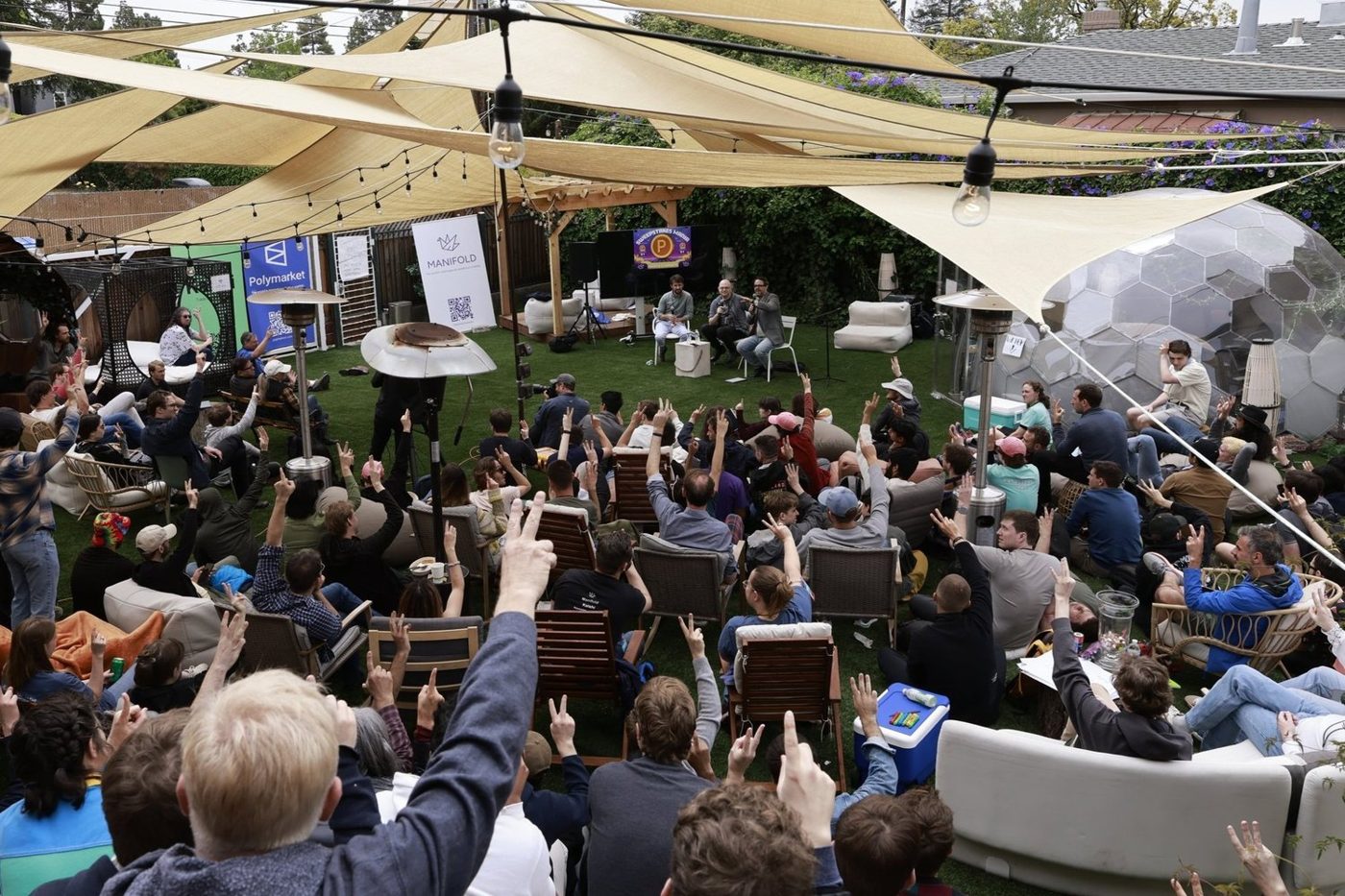
There’s almost always more expertise in the room than there is on the stage. Even if the person on the stage is the smartest person in the room, they’re not as smart as everybody else combined.
Conferences are engineering problems that involve a lot of human feelings.
If you run a forgettable conference, nobody blames you- most conferences are forgettable. Doing something different feels risky. A big part of my job is to help people push back against that temptation.
Further reading
Do you have an event you need help with? I’d love to talk!
These calls are often fun and interesting for both of us, even if we don’t end up working together.